

|

|

|

|

|
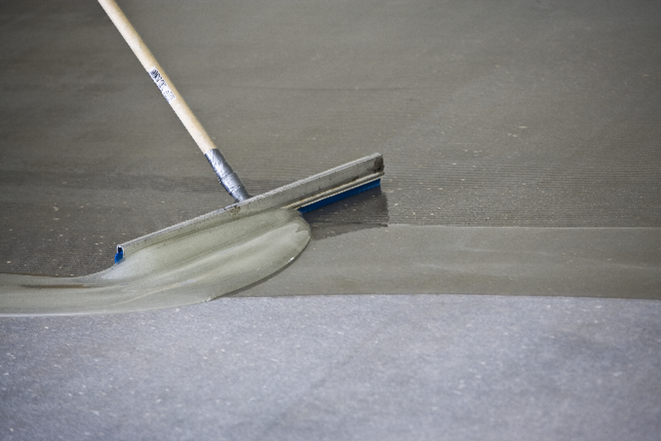
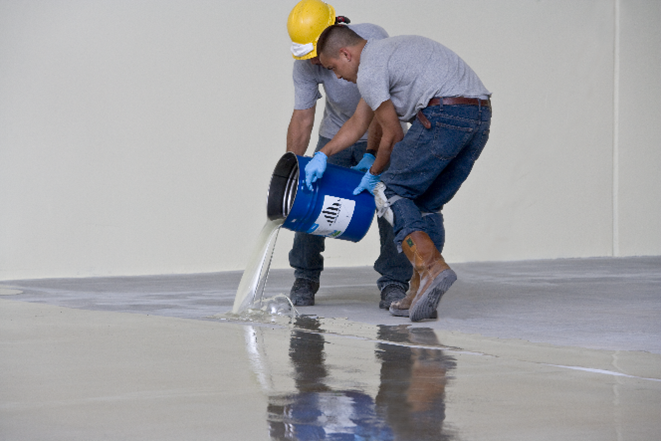
Resin floors are seamless, durable, and high-performance flooring solutions for industrial, commercial, public, and private buildings. They are applied in liquid form to prepared substrates - usually concrete - and harden through a chemical reaction. The result is a hard-wearing, liquid-tight and hygienic surface that is safe to walk on. Resin floors can be customized in terms of structure, appearance and function.
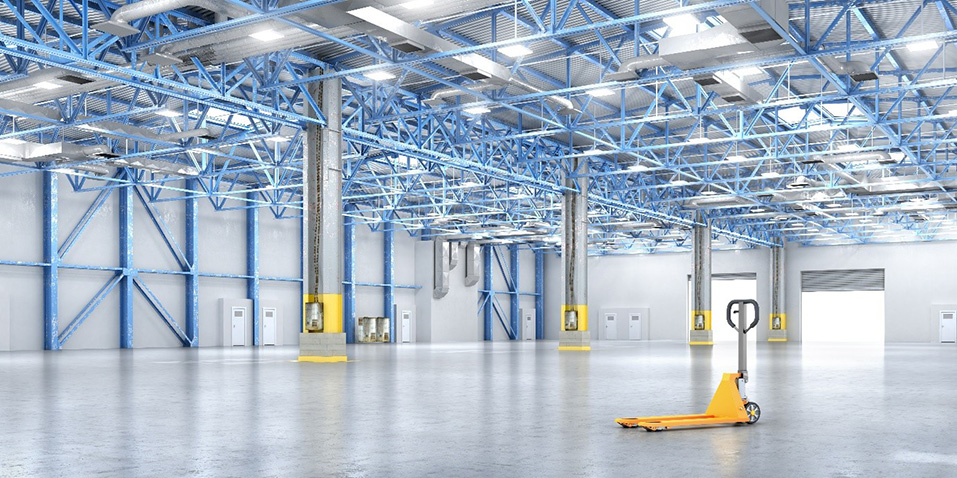
The use of resin floors is particularly useful when there are high demands on mechanical resilience, hygiene, chemical resistance, slip resistance, cleanability, and low maintenance. In addition to functionality, the appearance, design and individualization are also becoming increasingly important.
Resin floors are used in a wide range of applications. In the industrial sector, they are mainly used in factories, production halls, the food industry, parking garages, logistics centers, and warehouses.
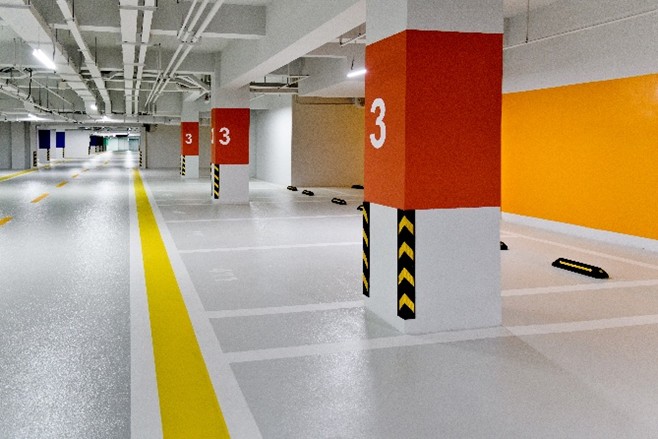
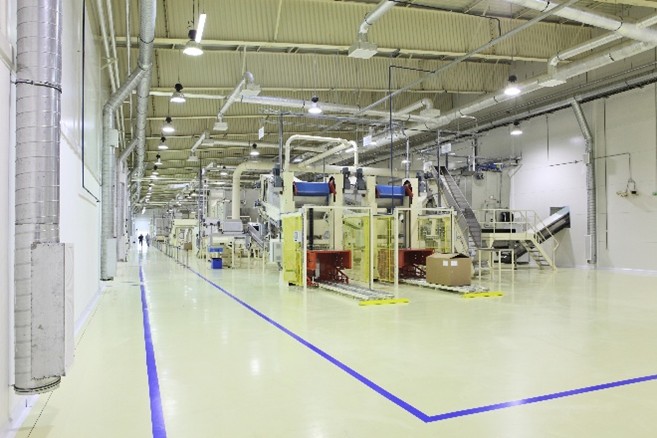
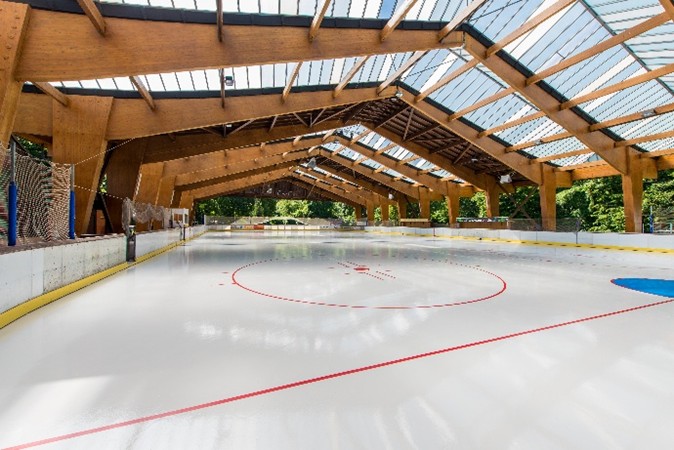
Outside of industry, resin floors are suitable for comfort and design-oriented applications, for example in health and care facilities, educational establishments and public, residential, and commercial buildings. They are also valued for their properties in leisure and community facilities.
In addition, resin floor coatings and sealants are used as sports floors as well as in waterproofing and wall systems.
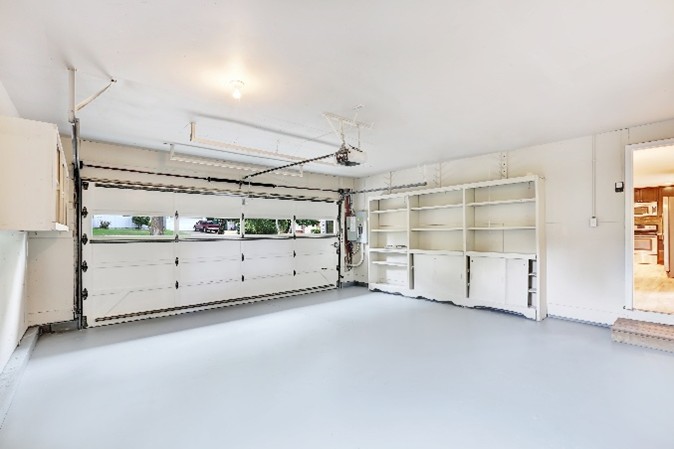
As end customers and industries have different requirements, different resin technologies (e.g. epoxy resin, water-based epoxy resin, polyurethane, water-based polyurethane, PU cement, and PMMA) are available, each offering specific properties.
The selection of a suitable resin floor is based on various factors:
1. Core parameters for universal resin floor coatings
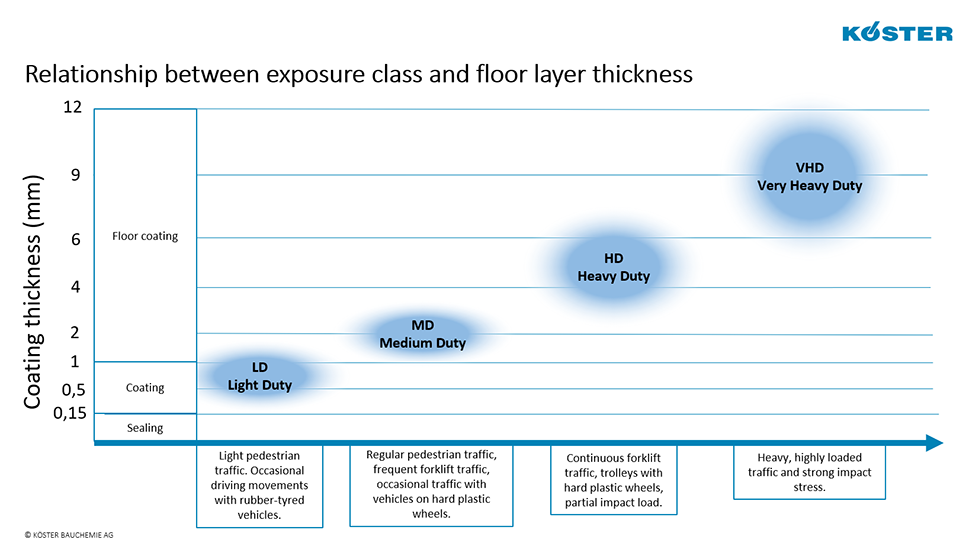
• Mechanical resistance: This depends on the thickness of the floor layer
- Light duty (low traffic): Light pedestrian traffic as well as occasional driving movements with rubber-tired vehicles.
- Medium duty (medium stress): Regular pedestrian traffic, frequent forklift traffic and occasional movement of trolleys on hard plastic wheels.
- Heavy duty (high stress): Constant forklift traffic, trolleys with hard plastic wheels and partial impact loading
- Very heavy duty: Heavy, high-load traffic and heavy impact loads
• Chemical resistance: Generally sufficient against domestic, commercial, and most industrial cleaning agents.
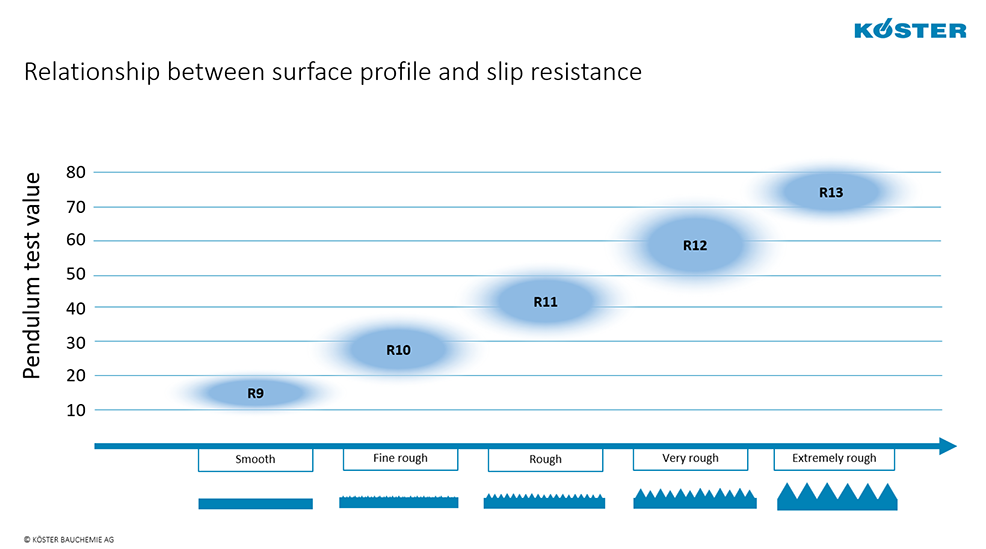
• Slip resistance: Created by anti-slip particles in the sealant or by broadcasting sand between the coating and the sealant.
• Cleanability: Cleaning frequency and intensity influence the cleaning effort (e.g. the use of machines) as well as the choice of cleaning agents and their dosage.
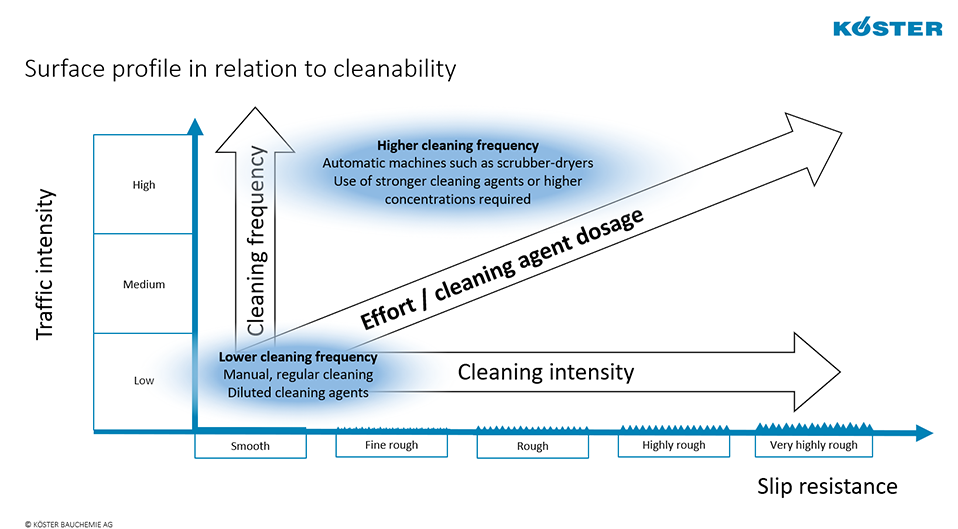
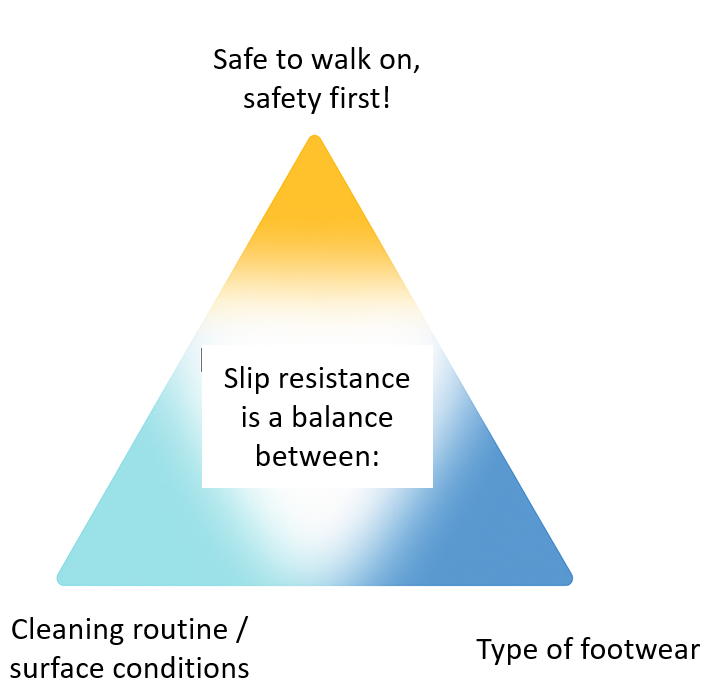
The optimum slip resistance always represents a balance between safe walking - with safety being the top priority - the cleaning routine, the surface conditions, and the type of footwear used. It can either be standardized or defined together with the customer according to their specific requirements. Resin flooring systems can be adapted and customized, with samples and especially on-site test areas providing an important basis for decision-making.
• Further parameters: Tightness and long-term durability.
2. Qualitative parameters ("soft skills") for universal resin floor coatings
- Appearance, color, design, UV resistance, gloss level, and surface structure, etc.
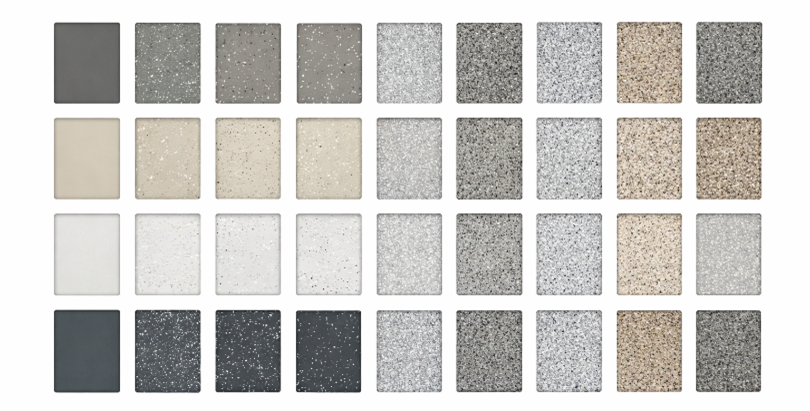
• Individualization
• Health, safety and sustainability
- Emissions
- Certifications and contribution to sustainability
- Labeling, health and safety, pictograms
- Life cycle analysis, durability
- Affordability
3. Additional parameters for special solutions for resin floor coatings
• Quick return to service (e.g. in industry and retail)
• Temperature and thermal shock resistance (e.g. in the food industry)
• High chemical resistance (e.g. in the chemical and pharmaceutical industries)
• Crack bridging (e.g. in Water Resources Act areas and parking garages)
• Electrical conductivity (e.g. in ESD and ATEX areas)
• Hygiene (e.g. in hospitals and clean rooms)
• Air quality (e.g. in clean rooms and indoor areas)
• Comfort (e.g. in nurseries, schools, offices, and private homes)
• Sound insulation (e.g. in libraries, schools, offices, and private homes)
• Decorative or artistic floor design (e.g. in stores)
• Waterproofing and drainage
• Substrate compatibility
The key to choosing the right system lies in understanding the specific requirements of the customer and the industry in question, using samples in a targeted manner and offering the right system. No more and no less.
A typical example of a resin flooring system is KÖSTER OS 8, which was developed specifically for concrete surfaces in parking garages and industrial areas that are subject to heavy mechanical stresses and vehicle traffic.


